The Hillsborough disaster began during a football match on 15 April 1989 and continued for decades through the struggle to establish what had happened. Ninety-seven Liverpool supporters ultimately died as a result of the crush at the stadium in Sheffield. They had gone to an FA Cup semi-final against Nottingham Forest.
The supporters did not cause the disaster. That conclusion is fundamental to the official record, not a matter to be balanced against discredited allegations. The horror of Hillsborough includes the failure to protect people inside the stadium and the prolonged effort required to overcome a public account that wrongly placed blame on those who suffered.
How the Hillsborough disaster unfolded
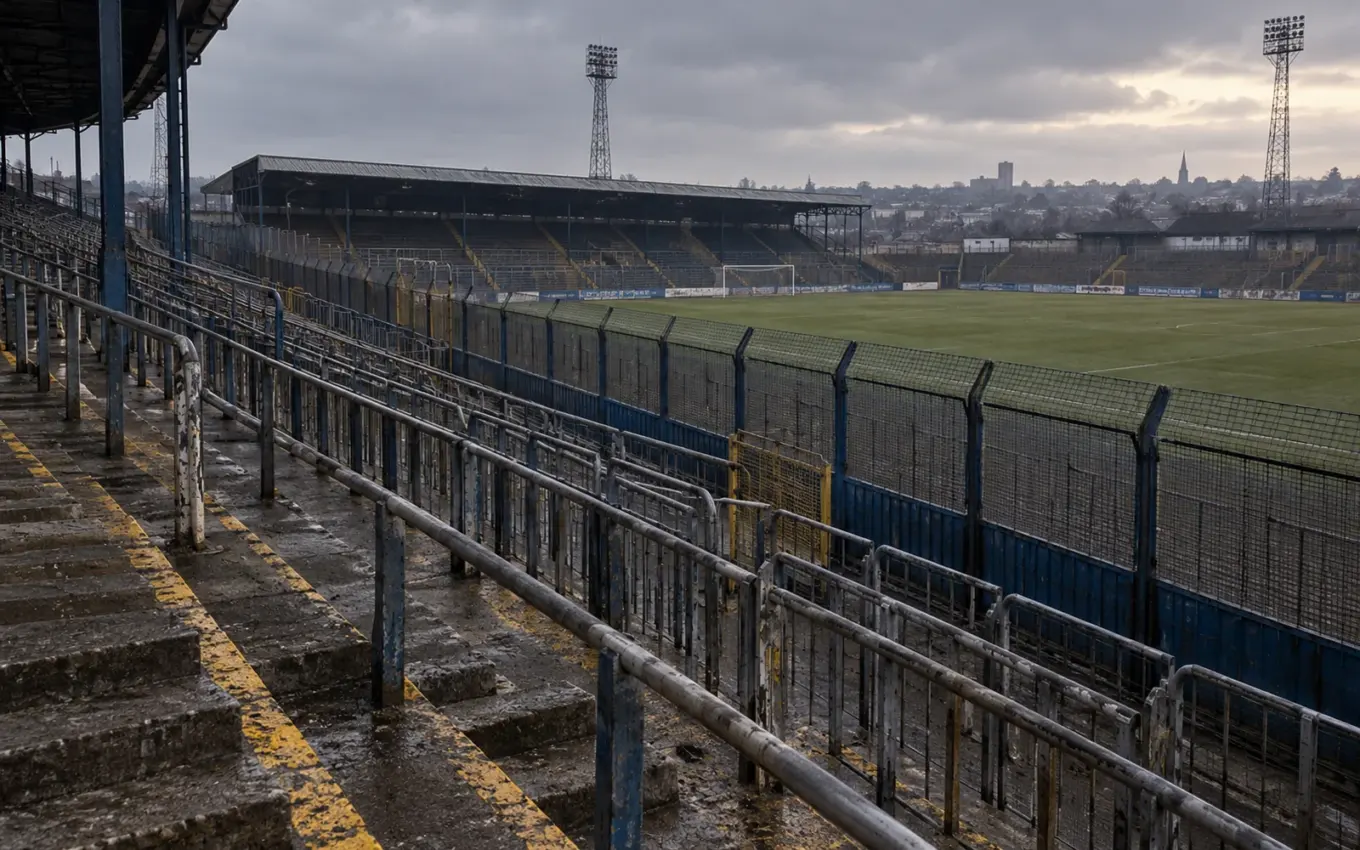
The fatal crush developed in the standing terraces at the Leppings Lane end of the ground. The enclosed layout and the movement of people into already crowded central pens created a situation in which individuals could not simply choose to move away. The match was stopped as the scale of the emergency became apparent.
The 2012 Hillsborough Independent Panel report reconstructs the disaster and the institutional record surrounding it. It addresses planning, crowd management, the emergency response and the way evidence was handled afterward. The account is far wider than the question of what spectators could see from the pitch.
A crush is often misunderstood as a collection of individual people making poor choices. At Hillsborough, that framing helped obscure the responsibilities of those controlling access and safety. Once crowd density reached a dangerous level, a person’s ability to turn, breathe or reach an exit could no longer be treated as a matter of ordinary personal movement.
The second harm was the false account
In the aftermath, damaging allegations about supporters spread through official statements and the press. They imposed another burden on survivors and families: before the bereaved could secure an honest account of the deaths, they had to challenge claims that blamed the victims themselves.
The Independent Office for Police Conduct’s investigation summary confirms that no evidence supported claims that supporters’ behaviour caused or contributed to the disaster. It also describes a defensive approach by South Yorkshire Police and efforts to control evidence in order to deflect blame.
The effect of a false account cannot be measured only by the time it remains in print. It can shape questioning, public sympathy and the willingness of institutions to examine their own actions. For families, correcting it meant returning repeatedly to the circumstances of a death while confronting organisations with far greater resources and authority.
The records were reopened
The independent panel’s findings in 2012 became a turning point. The original inquest findings were overturned, and new inquests took place between 2014 and 2016. In April 2016, the jury concluded that the victims considered by those inquests had been unlawfully killed.
The government’s response to Bishop James Jones’s report recounts that history and recognises the repeated ordeals endured by families. The finding mattered because it changed the official understanding of the deaths after a struggle extending across a generation.
An inquest determination is distinct from a criminal conviction of a particular defendant. Different proceedings answer different legal questions and apply different tests. Keeping that distinction clear does not weaken the established finding about the victims. It prevents the outcome of one process from being used to erase the conclusions of another.
Why the number is now 97
The figure associated with the 2016 inquests was 96. Andrew Devine, who had suffered catastrophic injuries at Hillsborough, died in July 2021. His death brought the recognised toll to 97. Older documents therefore need to be read in the context of when they were produced.
The government’s record of the IOPC’s 2021–2022 work acknowledges Devine as the ninety-seventh victim. The change is more than an update to a headline number. It makes visible the possibility that a disaster can continue to claim a life decades after the event itself.
Survivors and relatives also lived through those intervening years. Their experiences cannot be reduced to the dates of major reports. Anniversaries, medical consequences and legal proceedings brought the stadium back into ordinary life, while the campaign for an accurate account required a persistence no bereaved family should have needed to provide.
The final investigation did not erase the delay
In December 2025, the IOPC and Operation Resolve published their report, reaffirming fundamental policing failures and the absence of evidence blaming supporters. It added detail to an established account while setting out the limits imposed by historical disciplinary rules and the passage of time.
Bishop James Jones’s report on lessons from the families’ experiences asks institutions to confront more than the management of a single event. It examines the way public bodies treat people after catastrophic failure, when defensiveness can prolong harm and make the search for truth another ordeal.
Hillsborough remains a story of preventable deaths and an extraordinary struggle over evidence. Its most disturbing feature is that the truth was not absent from the world; witnesses, families and records carried it for years. The task was to make institutions acknowledge what those people had been saying. The supporters went to a football match. Their families should never have had to spend decades proving that they deserved to come home.